
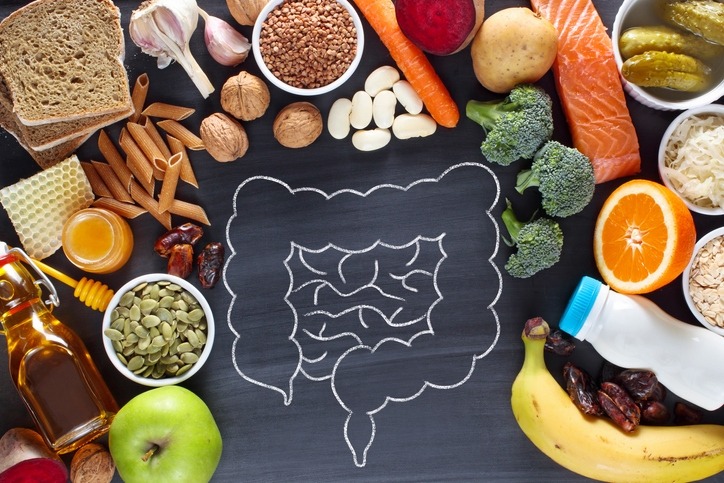
Cancer prevention can feel unfair because no clean habit gives you a clean guarantee. Still, the everyday choices that shape your meals, movement, weight, drinking, smoking, and screening behavior can push the odds in a better direction, especially for Americans trying to protect long-term gut health. The strongest lifestyle changes are not strange wellness tricks. They are ordinary patterns repeated often enough to matter: more fiber-rich meals, less processed meat, steady physical activity, healthy weight control, less alcohol, no tobacco, and timely screening. Current guidance from the CDC points to physical activity, healthy weight, a diet rich in fruits, vegetables, and whole grains, less alcohol, and avoiding tobacco as practical ways people may reduce risk. For readers who follow health, prevention, and everyday wellness topics through trusted digital resources like public health awareness platforms, the real win is learning how to turn broad advice into a week that works in a real kitchen, a real job, and a real American schedule.
Food Choices That Lower Colorectal Cancer Risk Without Turning Meals Into Math
Better eating often gets sold as punishment, and that is where many people quit before they start. The smarter path is not a perfect plate. It is a pattern that feeds the gut, limits the foods most tied to harm, and still leaves room for a normal life. The American Cancer Society links colorectal cancer concerns with long-term smoking, alcohol use, excess body weight, processed meats, and diets low in plant foods, which makes daily food choices worth taking seriously.
How Fiber-Rich Foods Help Your Gut Work in Your Favor
A fiber-rich diet does more than keep digestion regular. It changes the whole rhythm of eating. Beans, oats, lentils, berries, apples, brown rice, and vegetables fill the plate before processed snacks can take over. That matters because healthy meals are rarely built by willpower at 9 p.m. They are built by what you already bought on Sunday.
A practical U.S. example is the simple grocery swap. A family in Ohio that changes two weeknight dinners from pepperoni pizza and frozen nuggets to turkey chili with beans and a side salad has not become a “health food” family. They have only moved the center of the meal. That small shift can lower animal fat, raise fiber, and make the next healthy choice less dramatic.
The counterintuitive part is that taste often improves when people stop treating vegetables like medicine. Roasted carrots, garlicky greens, black bean tacos, fruit with Greek yogurt, and whole-grain pasta with vegetables feel like food, not a lecture. The gut does not need a personality makeover. It needs repetition.
Why Processed Meat Deserves a Smaller Role
Processed meat is easy to defend because it feels normal in American meals. Bacon at breakfast, deli turkey at lunch, hot dogs at a cookout, and sausage on pizza do not seem extreme when everyone around you eats the same way. Normal, though, does not always mean harmless.
The better move is not panic. It is demotion. Keep processed meat from being the default protein and make it an occasional side character instead of the main event. A turkey sandwich can become grilled chicken leftovers. A bacon breakfast can become eggs with avocado toast. A hot dog night can become burgers made with beans, salmon, or lean meat.
Red meat also deserves a calmer conversation. A steak at a family event is not the same thing as large portions of beef several nights a week. The body responds to patterns, not isolated meals. That is good news because patterns are easier to fix than guilt.
Movement, Weight, and Metabolism Need a Real-Life Plan
Diet gets most of the attention, but movement changes the internal environment where disease risk develops. Physical activity helps with weight control, insulin sensitivity, inflammation, bowel movement timing, and energy balance. None of that requires a boutique gym. It does require honesty about how much sitting now defines American life.
Why Daily Movement Beats Weekend Heroics
A person who sits through a commute, works eight hours at a desk, eats dinner on the couch, and then tries to “make up for it” on Saturday is fighting a hard pattern. The weekend workout helps, but the body also notices the other six days. Movement works best when it becomes part of the day’s structure.
A realistic plan might be a 20-minute walk after dinner, stairs at work, light strength training twice a week, and a standing break every hour. That sounds plain because it is. Plain is useful. The CDC lists increasing physical activity as one way people may reduce their chance of developing this disease, and the habit becomes stronger when it is tied to normal routines instead of rare bursts of motivation.
The overlooked benefit is appetite regulation. Many people think exercise only “burns calories,” but steady movement often changes cravings, sleep, mood, and meal timing. A walk after dinner can keep someone away from a second snack without making them feel restricted. That is not flashy. It works.
Healthy Weight Is About Direction, Not Shame
Weight advice can sound cold, especially to people who have tried diets for years. Still, ignoring weight does not help anyone. Excess body fat is linked with higher risk for several cancers, and the CDC notes that overweight and obesity are associated with 13 types of cancer. The useful question is not, “How do I become thin fast?” It is, “What pattern would make my body easier to live in six months from now?”
For many Americans, the first lever is liquid calories. Sweet coffee drinks, soda, juice, beer, and cocktails can add energy without much fullness. Cutting those back can change weight trends before anyone touches a complicated diet plan. Another lever is dinner size. A plate that is half plants, one quarter protein, and one quarter starch can reduce overeating without turning dinner into a spreadsheet.
The unexpected truth is that a five-to-ten-pound change can matter more than people think if it reflects a better direction. Health improves through momentum. A body moving away from inactivity, poor sleep, heavy drinking, and constant ultra-processed food is already in a different risk lane.
Alcohol, Tobacco, and Sleep Are the Habits People Try to Bargain With
Some habits are harder to discuss because they carry identity, stress relief, and social pressure. A beer after work, cigarettes on breaks, late nights with screens, and takeout after poor sleep all feel connected to real life. That is why prevention advice must be blunt without being cruel. The habits that people bargain with often take the biggest toll.
Cutting Alcohol Changes More Than the Drink Count
Alcohol has a way of hiding inside culture. It shows up at football parties, weddings, business dinners, neighborhood barbecues, and quiet evenings after stressful shifts. Many people do not count it as a health choice because it feels social, not medical.
Limiting alcohol is part of the CDC’s risk-reduction advice for colorectal cancer prevention. The practical step is to decide before the event, not during it. Choose a two-drink ceiling, alternate with sparkling water, or keep alcohol out of weeknight routines. People who wait until the second pour to negotiate with themselves usually lose.
The counterintuitive gain is better sleep. Less alcohol often improves sleep quality, which makes morning movement and better food choices easier. One habit starts pulling the next one into place. That is how prevention becomes less about discipline and more about design.
Quitting Tobacco Protects More Than the Lungs
Smoking is still too often treated as a lung issue only. That misses the point. The American Cancer Society says people who have smoked tobacco for a long time are more likely to develop and die from colorectal cancer than people who do not smoke. The colon and rectum are not separate from the rest of the body. Smoke exposure affects far more than breathing.
Quitting is hard, and lectures rarely help. A useful plan includes nicotine replacement when appropriate, a quit date, removal of triggers, support from a clinician, and a backup plan for relapse. A person who has tried three times has not failed three times. They have collected data.
Sleep belongs in this conversation because tired people reach for stronger cravings. A short night can make cigarettes, alcohol, sugar, and skipped workouts feel more tempting the next day. Protecting sleep is not a direct magic shield, but it makes every other protective habit less fragile.
Screening Turns Better Habits Into a Smarter Prevention Strategy
Lifestyle matters, but it cannot replace screening. That point needs to be said plainly. Food, exercise, weight control, less alcohol, and no tobacco can shift risk, yet screening can find polyps before they become cancer or catch disease earlier when treatment may work better. Prevention is strongest when behavior and medical follow-through work together.
Why Average-Risk Adults Should Not Wait for Symptoms
Many Americans still think screening is something to do after symptoms show up. That is backward. Colorectal cancer can grow quietly, and waiting for bleeding, bowel changes, unexplained weight loss, or ongoing abdominal pain can cost time. The better approach is to know your age, family history, and risk factors before fear enters the room.
The National Cancer Institute notes that age and family history influence risk, and having a parent, sibling, or child with colorectal cancer can raise a person’s risk. For average-risk adults, U.S. screening commonly begins at 45, though people with family history or certain medical conditions may need earlier advice from a clinician. That one conversation can change the calendar.
A real-world example is the 46-year-old parent in Texas who feels healthy, works full time, and keeps delaying the stool test kit sitting on the bathroom shelf. The kit is not a symbol of being sick. It is a tool for staying ahead. Prevention often looks boring until it saves someone from a harder road.
Family History Should Change the Conversation at Home
Family history can feel awkward because relatives often avoid details. Someone says “stomach cancer” when they mean colon cancer. Another says “polyps” without knowing whether they were advanced. Those fuzzy stories matter because they can change screening timing.
A better family conversation is specific. Ask which relative had cancer, how old they were, where the cancer started, whether polyps were found, and whether any genetic condition was mentioned. This is not prying. It is health information that can protect siblings, children, nieces, nephews, and cousins.
The unexpected insight is that lifestyle can still matter even when genetics raise risk. A family history does not make healthy choices pointless. It makes them more worth protecting. When you combine better daily habits with the right screening plan, you stop treating colorectal cancer risk like fate and start treating it like something you can influence with seriousness and timing.
Frequently Asked Questions
What lifestyle changes help prevent colon cancer naturally?
Plant-heavy meals, steady physical activity, healthy weight control, less alcohol, no tobacco, and routine screening form the strongest prevention pattern. No single habit cancels risk, but these choices work together and give your body a better long-term environment.
How much exercise helps lower colon cancer risk?
Aim for regular weekly movement rather than rare intense workouts. Brisk walking, cycling, swimming, strength training, and active errands all count. The best plan is the one you can repeat most weeks without needing a major life reset.
What foods should I eat for better colorectal health?
Build meals around beans, lentils, whole grains, vegetables, fruits, nuts, and lean proteins. These foods add fiber, improve fullness, and reduce dependence on processed meats. A simple meal pattern beats a strict diet that collapses after two weeks.
Are processed meats linked to colon cancer?
Processed meats are linked with higher concern because they are smoked, cured, salted, or preserved in ways that can create harmful compounds. Bacon, sausage, hot dogs, and many deli meats should be occasional foods, not daily staples.
Does alcohol affect colon cancer risk?
Alcohol can raise cancer-related health concerns, including for the colon and rectum. Cutting back helps, especially if drinking is frequent. Many people start with alcohol-free weekdays or a firm drink limit at social events.
Can losing weight reduce colorectal cancer risk?
Healthy weight loss may help reduce risk, especially when it comes from better food, more movement, less alcohol, and improved sleep. The goal is not crash dieting. The goal is a steadier body environment that supports long-term health.
When should Americans start colorectal cancer screening?
Many average-risk adults begin screening at age 45, but personal risk can change that timing. Family history, inflammatory bowel disease, prior polyps, or certain inherited conditions may require earlier screening. A doctor can help choose the right test.
Can healthy habits replace a colonoscopy or stool test?
Healthy habits cannot replace screening. Diet and exercise may lower risk, but screening can find polyps or early cancer before symptoms appear. The smartest prevention plan uses both: better daily choices and timely medical testing.