
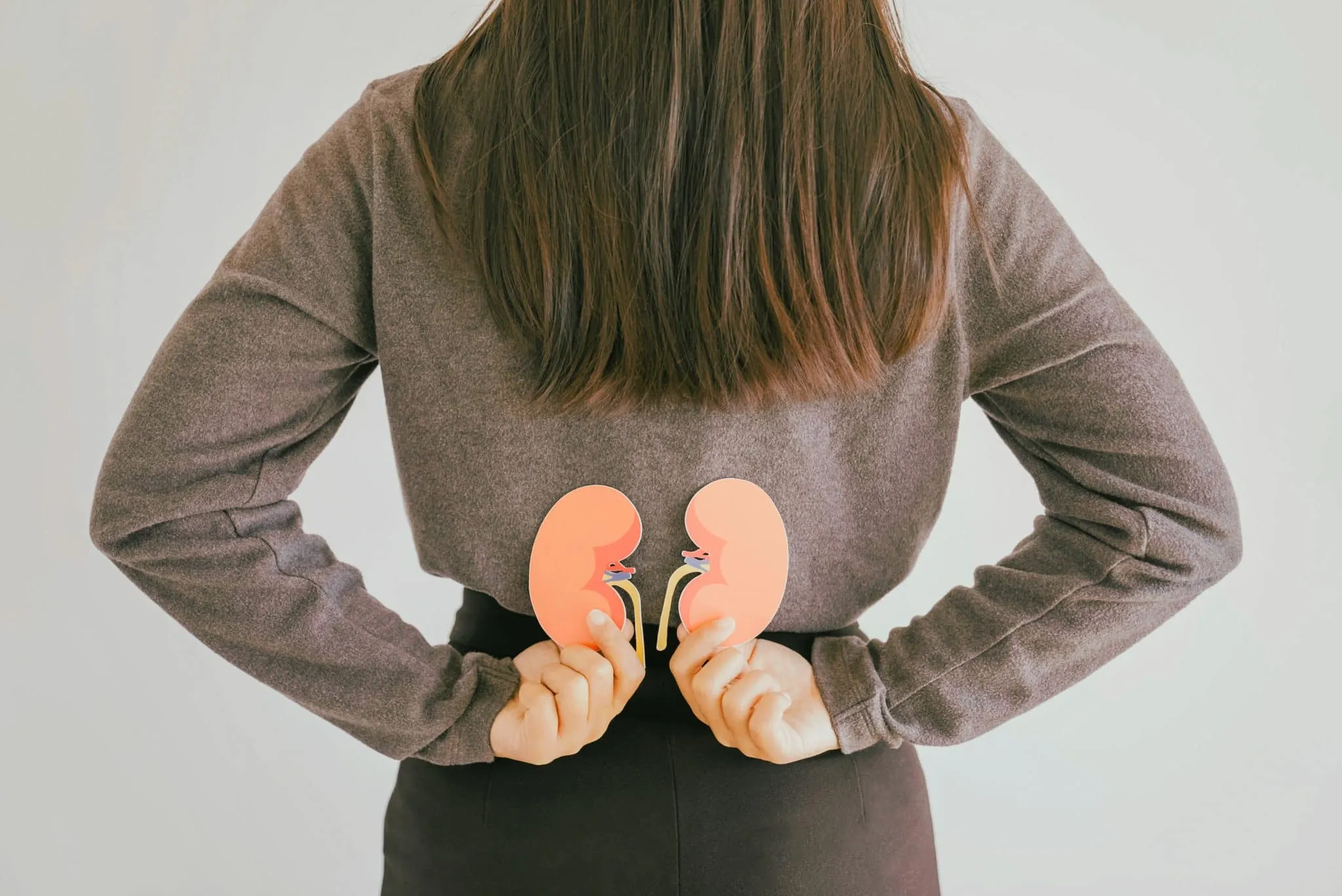
Most people do not wake up one morning feeling broken; they notice small losses first. The morning coffee stops working, work feels heavier than it should, and the body seems slower to reset after stress. Many Americans search for adrenal fatigue when they feel this worn down, but the phrase needs careful handling. Major medical groups do not treat it as a proven diagnosis, and the Endocrine Society warns that symptoms blamed on it may come from real conditions such as adrenal insufficiency, sleep apnea, depression, or other health problems.
That does not mean your exhaustion is fake. It means the label may be too loose for a body that needs a better answer. Across the U.S., people are juggling long workdays, poor sleep, skipped meals, family pressure, and nonstop screens. Reliable health awareness resources can help readers ask sharper questions, but the smartest move is still medical clarity. Fatigue deserves attention, not guesswork.
Why Everyday Burnout Can Feel Like a Body-Wide Problem
Stress rarely stays in your head. It changes how you sleep, eat, move, recover, and respond to small demands. That is why chronic stress symptoms can feel physical before they feel emotional. The hard part is that many signs overlap with common medical issues, so the goal is not to self-diagnose. The goal is to notice patterns early and bring better notes to a doctor.
When Morning Tiredness Does Not Match Your Sleep
A rough night explains a rough morning. A full night followed by heavy, foggy exhaustion deserves more attention. Many adults describe waking up as if their body never finished charging, even when they spent seven or eight hours in bed.
The hidden issue may not be total sleep time. It may be sleep quality. Snoring, sleep apnea, alcohol at night, late caffeine, pain, anxiety, and irregular schedules can all steal recovery while the clock says you slept enough. That is why fatigue in adults often needs a wider look than “go to bed earlier.”
A good real-world test is simple. Track sleep, wake time, caffeine, energy dips, and mood for two weeks. If mornings stay heavy despite a steady routine, bring the pattern to a primary care doctor instead of chasing supplements.
Why Stress Recovery Gets Slower Over Time
A healthy body can handle hard days. Trouble starts when hard days stack without repair. You may notice that a busy Monday now takes until Thursday to recover from, or a tense meeting leaves you drained for the rest of the afternoon.
This is where chronic stress symptoms become easy to misread. The body may be reacting to poor sleep, low iron, thyroid problems, medication side effects, depression, or blood sugar swings. A single label can hide all of that.
The counterintuitive part is that rest alone may not fix it. Some people rest more but move less, eat worse, and isolate more. Recovery needs rhythm, not collapse: steady meals, light movement, sleep consistency, and a doctor’s review when symptoms keep returning.
Signs That Should Make You Look Beyond Stress
Some symptoms should move the conversation from “I am tired” to “I need to be checked.” This is where the medical distinction matters. True adrenal gland disorders are not lifestyle slogans. They involve hormone problems that need testing and treatment.
Low Cortisol Signs That Need Medical Testing
Low cortisol signs can include long-lasting fatigue, muscle weakness, low appetite, weight loss, abdominal pain, nausea, low blood pressure, and lightheadedness. The NIDDK lists chronic fatigue, muscle weakness, loss of appetite, weight loss, and abdominal pain among common symptoms of adrenal insufficiency.
These signs do not prove a hormone disorder on their own. They do mean a doctor should decide whether blood tests are needed. Mayo Clinic notes that Addison’s disease can start slowly, with early symptoms such as extreme tiredness, salt cravings, and weight loss.
One example matters here. A person in Ohio who feels tired after tax season may need sleep and boundaries. A person who feels faint standing up, loses weight without trying, craves salt, and gets darker skin patches needs prompt medical care. Same word: tired. Different risk.
Adrenal Insufficiency Symptoms Are Not Wellness Clues
Adrenal insufficiency symptoms belong in a doctor’s office, not a comment thread. The Endocrine Society describes primary adrenal insufficiency, also called Addison’s disease, as a rare condition where the adrenal glands do not make enough cortisol.
That matters because treatment is not a detox tea, a powder, or a vague “cortisol reset.” Real hormone deficiency can become dangerous when the body faces illness, surgery, injury, or severe stress. Missing it can carry real consequences.
The unexpected truth is that a boring blood test may be more powerful than an expensive wellness plan. Clear testing can rule problems in or out. That saves money, time, and months of guessing.
How Daily Habits Can Mimic Hormone Trouble
Modern American routines can create symptoms that feel medical even when the root is behavioral. That does not make them minor. A lifestyle pattern can still damage health, income, relationships, and mood. The difference is that it may improve when the pattern changes.
Blood Sugar Swings Can Look Like Energy Crashes
Skipping breakfast, drinking sweet coffee, eating a rushed lunch, and then crashing at 3 p.m. can feel like a body failure. In many cases, it is a fuel problem. The body is being asked to run a full workday on uneven inputs.
This pattern hits office workers, nurses, drivers, parents, and students across the U.S. A high-sugar morning can create a fast lift followed by a sharp drop. That drop can bring shakiness, irritability, brain fog, and cravings.
A better first step is not perfection. Pair protein, fiber, and healthy fat at breakfast. Keep water nearby. Add a steady lunch instead of grazing through snacks. Small fixes can expose whether the problem is lifestyle pressure or something deeper.
Caffeine Can Hide Fatigue Until It Gets Louder
Caffeine is useful until it becomes a mask. Two coffees may help you focus. Four coffees may hide a sleep debt that keeps growing under the surface.
Many adults blame low energy while their routine keeps pushing the same cycle. Caffeine late in the day harms sleep, poor sleep demands more caffeine, and the loop tightens. The body looks unreliable, but the schedule is setting the trap.
A practical reset is to stop caffeine after late morning for two weeks. Keep the morning amount stable, not extreme. If energy improves, the issue may be recovery timing. If fatigue stays intense, it is worth asking a clinician about lab work and other causes.
What To Do When Your Body Keeps Sending Warnings
A tired body needs respect, not panic. The smartest path is both practical and medical: clean up the obvious stressors while ruling out serious causes. That balance keeps you from ignoring real disease and from medicalizing every rough week.
Build a Symptom Pattern Your Doctor Can Use
Doctors can work faster when you bring patterns instead of scattered complaints. Write down when fatigue hits, what helps, what worsens it, and which symptoms travel together. Include sleep, appetite, weight changes, dizziness, mood, medications, menstrual changes, and recent illness.
This habit matters because fatigue in adults has many causes. Anemia, thyroid disease, diabetes, infection, depression, sleep apnea, autoimmune disease, and medication effects can all sit behind the same tired face. A clear log gives your appointment sharper edges.
Keep the record simple. Dates, symptoms, severity, and context are enough. You are not trying to become your own doctor. You are giving your doctor better raw material.
Choose Safe Recovery Before Risky Shortcuts
The wellness market sells fast answers because tired people are easy to persuade. Be careful with adrenal supplements, hormone claims, and online tests that promise certainty without proper medical review. Mayo Clinic warns that accepting this label can delay a correct diagnosis and treatment.
Safer recovery starts with basics that still work: consistent sleep timing, morning light, protein-rich meals, gentle exercise, less late-night screen time, and honest stress limits. None of this sounds flashy. That is part of why it gets ignored.
The strongest move is to combine self-care with medical follow-through. If low cortisol signs appear, or if fatigue comes with weight loss, fainting, vomiting, severe weakness, darkening skin, or low blood pressure, get checked. Do not negotiate with warning signs.
Conclusion
Your body does not hand you a neat label when something is wrong. It sends patterns, pressure, and limits. The mistake is either dismissing those signals as normal life or accepting the first wellness phrase that sounds convincing. Neither one serves you.
For American adults, the phrase adrenal fatigue often becomes a way to explain exhaustion that feels deeper than ordinary tiredness. The better path is more disciplined: treat the fatigue as real, question the label, and look for causes that can be tested, treated, or changed. Sleep, food, stress, medication, hormones, mood, and underlying disease all deserve a fair look.
Start with a two-week symptom record, tighten the habits you already know are weak, and schedule a medical visit if the problem persists or comes with red flags. Your next step should give you clarity, not another mystery to carry.
Frequently Asked Questions
What are the most common signs people blame on adrenal issues?
Long-lasting tiredness, brain fog, poor stress tolerance, cravings, body aches, dizziness, and morning exhaustion are common complaints. These symptoms can come from many causes, including sleep problems, anemia, thyroid disease, depression, medication effects, or adrenal insufficiency.
Is this condition accepted as a medical diagnosis in the United States?
No. Major medical organizations do not recognize it as a proven diagnosis. Doctors may still take the symptoms seriously, but they usually look for recognized causes such as sleep apnea, thyroid disease, anemia, depression, diabetes, or adrenal insufficiency.
When should fatigue make an American adult call a doctor?
Call a doctor when fatigue lasts more than a few weeks, disrupts work or daily life, or appears with weight loss, fainting, vomiting, low blood pressure, severe weakness, darkened skin, fever, or chest pain. Sudden or severe symptoms need urgent care.
Can chronic stress symptoms affect the whole body?
Yes. Long stress can disturb sleep, appetite, digestion, mood, focus, blood pressure, and recovery. The body can feel worn down even without a rare hormone disorder. Still, ongoing symptoms should be reviewed instead of blamed on stress alone.
What tests might a doctor consider for severe fatigue?
A doctor may consider blood count, thyroid tests, metabolic panel, blood sugar testing, iron levels, vitamin levels, inflammation markers, and cortisol-related testing when symptoms suggest it. The right tests depend on your history, exam, medications, and symptom pattern.
Are low cortisol signs always caused by Addison’s disease?
No. Low cortisol signs need medical evaluation, but symptoms alone cannot confirm Addison’s disease. Doctors use specific blood tests and sometimes stimulation testing to assess adrenal function. Self-diagnosis can miss other treatable causes.
Can better sleep and food improve stress-related exhaustion?
Yes. Regular sleep timing, balanced meals, hydration, morning light, and gentle exercise can improve many stress-related energy problems. These habits are not a substitute for medical care when red flags appear, but they give the body a better recovery base.
Are adrenal support supplements safe to try?
Use caution. Some supplements make hormone-related claims without solid proof, and some may interact with medications or contain ingredients that affect the body. A doctor or pharmacist can help you avoid products that may delay proper care or create new risks.