
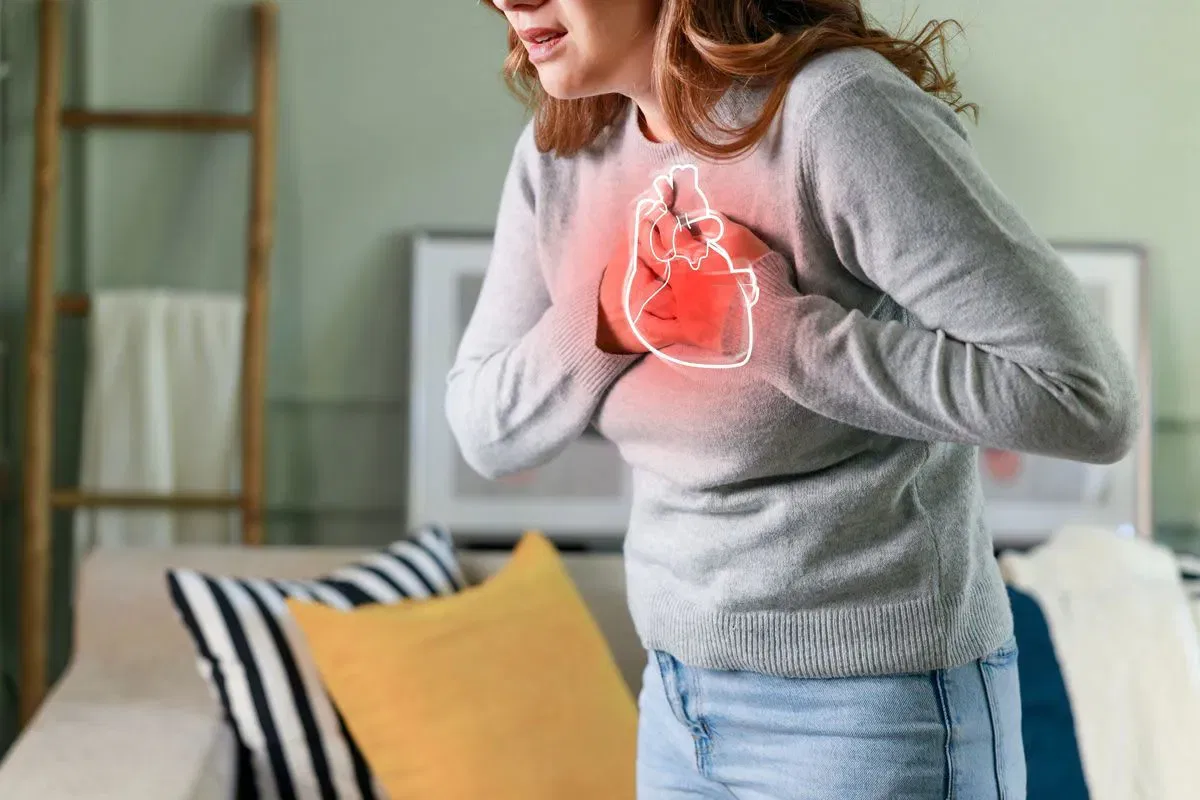
A woman in her twenties or thirties can look healthy, stay busy, pass every casual “you’re too young for that” test, and still have her heart sending warning signals. That is what makes heart disease signs so easy to dismiss in young women across the USA. The warning may not arrive as dramatic chest pain. It may show up as odd fatigue after normal errands, breathlessness on stairs, nausea that feels like stress, or pressure in the upper back that comes and goes. For many women, the danger starts when those symptoms get explained away as anxiety, hormones, burnout, or a packed schedule. A better health conversation starts with paying attention early, especially when symptoms feel new, repeated, or out of character. Reliable public health guidance also stresses that women can have chest discomfort, upper back or neck pain, indigestion, nausea, fatigue, dizziness, and shortness of breath during heart-related events. For readers following broader wellness and public awareness topics, trusted health conversations can help make serious subjects feel less distant and more practical.
Why Young Women Miss the Early Warnings
The first problem is not always the symptom. Often, it is the story built around it. Young women are taught to push through discomfort, manage stress silently, and treat exhaustion like proof they are handling life well. That habit can hide early heart trouble in plain sight.
When “Too Young” Becomes a Dangerous Assumption
Age can create false comfort. A 29-year-old woman in Chicago who feels chest tightness after a long workday may blame coffee, deadlines, or poor sleep before she thinks about her heart. That reaction feels reasonable because heart problems still get framed as something that happens later in life.
The catch is that risk does not wait for middle age. High blood pressure, diabetes, smoking, cholesterol problems, autoimmune conditions, family history, and pregnancy-related complications can all shape heart health earlier than expected. The American Heart Association has warned that cardiovascular risk factors among younger women are projected to rise, including high blood pressure and diabetes among women ages 20–44.
A strange pattern makes this even harder. Women who look active or thin may get reassured faster than women who fit the old picture of heart risk. That can delay testing. A body can look “fine” while blood pressure, inflammation, rhythm issues, or artery problems tell another story.
The Symptoms That Feel Too Normal to Question
Everyday life gives young women plenty of excuses for young women heart symptoms. A new job can explain fatigue. A baby at home can explain shortness of breath. Grad school can explain anxiety. A tough workout can explain shoulder or jaw discomfort.
That is why pattern matters more than panic. One tired afternoon may mean nothing. Repeated exhaustion that feels heavier than usual deserves attention, especially if it comes with breathlessness, nausea, sweating, dizziness, or chest pressure. The signal is not only the symptom. The signal is the change from your normal.
The counterintuitive part is that mild symptoms can matter more than dramatic ones because they last long enough to be ignored. Many women wait for a movie-style emergency before they act. Real heart trouble may whisper first, then argue later.
Heart Disease Signs That Hide Behind Daily Stress
Stress gets blamed for almost everything in young adulthood. Sometimes that blame is correct. Sometimes it becomes a convenient cover for something physical. The difference often lies in whether symptoms appear during ordinary activity, return without a clear trigger, or feel unlike your usual stress response.
Unusual Fatigue That Does Not Match Your Day
Fatigue can be one of the most overlooked early heart disease symptoms because women already carry a long list of reasons to feel worn down. Work, caregiving, school, periods, poor sleep, and emotional load can all drain energy. Still, heart-related fatigue often has a different texture.
It can feel like your body has lost its normal reserve. A woman who usually walks through Target, carries groceries, and climbs apartment stairs without thinking may suddenly need breaks. She may not feel “sick,” but she feels oddly emptied.
The American Heart Association lists unusual tiredness and weakness among symptoms women may have during a heart attack, along with shortness of breath, upset stomach, anxiety, and pain in the shoulder, back, or arm. That does not mean every tired day is cardiac. It means unexplained, repeated fatigue should not be brushed off without context.
Shortness of Breath Without a Clear Reason
Breathlessness gets misread all the time. People blame being out of shape, gaining a few pounds, allergies, asthma, or rushing. Those explanations can be true, but they should not end the conversation when breathing changes suddenly.
A young woman in Atlanta who feels winded walking from the parking lot to her office may laugh it off at first. If it keeps happening, or if it arrives with chest pressure, dizziness, nausea, or a racing heartbeat, the pattern becomes harder to dismiss. Your heart and lungs work as a team. When one struggles, the other may complain first.
Mayo Clinic notes that heart disease symptoms can include shortness of breath, lightheadedness, fluttering in the chest, racing heartbeat, fainting, and chest discomfort, especially with rhythm problems. The practical rule is simple: new breathlessness deserves respect, not self-blame.
Why Pain Does Not Always Show Up in the Chest
Chest pain still matters. No one should ignore pressure, squeezing, fullness, burning, or pain in the center of the chest. Yet women may also feel symptoms in places that do not match the old warning posters, which is why heart trouble can look like stomach trouble, back strain, or anxiety.
Jaw, Neck, Shoulder, and Back Pain That Feels “Off”
Pain that travels or sits in the upper body can confuse people because it does not always feel sharp. Some women describe pressure in the upper back. Others notice aching in the jaw, neck, shoulder, or arm. The discomfort may come and go.
Mayo Clinic explains that women are more likely than men to have symptoms that may seem unrelated to a heart attack, including nausea and brief pain in the neck or back, while chest pain remains common in both men and women. That mix creates a trap. If chest pain is absent, many women downgrade the risk.
A real-world example makes this plain. A woman may think her upper back pain came from working on a laptop. If the pain appears with sweating, breathlessness, nausea, or a heavy pressure feeling, the laptop theory starts to look too neat. Bodies can send messy warnings.
Nausea, Heartburn, and Stomach Pressure That Seem Digestive
Digestive symptoms can be especially misleading. Heartburn after spicy food is common. Nausea before a presentation is common. Stomach pressure during a stressful week is common. That familiarity makes heart attack symptoms in women easier to mislabel.
The CDC lists indigestion, heartburn, nausea, vomiting, extreme fatigue, dizziness, and shortness of breath among possible signs women may experience during heart-related emergencies. It also advises calling 9-1-1 right away when these symptoms suggest a possible heart event.
The overlooked insight is that “not severe” does not always mean “not serious.” Some dangerous symptoms feel dull, vague, or temporary. That is exactly why they slip past people who are waiting for unbearable pain before they seek help.
Risk Factors Young Women Should Treat as Real
Symptoms matter, but risk context changes how seriously you should take them. A symptom that might seem minor in isolation can deserve faster attention when paired with family history, high blood pressure, diabetes, smoking, pregnancy complications, or autoimmune disease.
Blood Pressure, Cholesterol, and Blood Sugar Are Not Older-Woman Issues
Many young women do not know their numbers. That gap matters. Blood pressure can rise silently. Cholesterol can run high without symptoms. Blood sugar problems can develop while someone still feels functional. These issues do not need permission from age.
The CDC identifies high blood pressure, high cholesterol, and smoking as key risk factors for heart disease, along with other medical and lifestyle factors. A woman in her early thirties who has migraines, irregular sleep, a desk job, and a family history of early heart disease should not wait until her forties to ask for basic screening.
Here is the part people often miss: knowing your numbers is not a punishment. It is leverage over the future. A blood pressure reading, cholesterol panel, A1C test, and honest family history can turn vague worry into a plan.
Pregnancy History Can Reveal Future Heart Risk
Pregnancy can act like a stress test for the body. Conditions such as preeclampsia, gestational diabetes, and pregnancy-related high blood pressure can point to higher future cardiovascular risk. Many women never hear that after delivery.
A woman may leave the hospital focused on feeding, sleep, healing, and survival. Years later, she may not connect that pregnancy history to chest pressure, breathlessness, or rising blood pressure. The medical file remembers, but the conversation often fades.
That gap needs closing. If you had pregnancy complications, bring them up during primary care visits, urgent care visits, and cardiology appointments. Do not assume every clinician will ask. Your history can change which tests make sense and how quickly your symptoms should be taken.
How to Respond Without Overreacting or Waiting Too Long
The goal is not to turn every sensation into fear. The goal is to stop treating repeat symptoms like background noise. A calm, direct response protects you better than panic or denial.
Know When to Call 9-1-1
Some symptoms should move you straight to emergency care. Call 9-1-1 if you have chest pressure, squeezing, pain, shortness of breath, fainting, severe weakness, sudden sweating, pain spreading to the arm, jaw, neck, back, or shoulder, or nausea with other warning signs. Do not drive yourself.
American Heart Association guidance describes warning signs that can include chest discomfort, discomfort in other upper-body areas, shortness of breath, and other symptoms such as cold sweat, nausea, or lightheadedness. Waiting to “see if it passes” can cost time the heart may not have.
A quiet but serious truth belongs here. You are not wasting anyone’s time by checking a possible heart emergency. Emergency teams would rather evaluate you early than meet you after the situation has become harder to treat.
Build a Personal Baseline Before Something Feels Wrong
Prevention feels boring until it becomes the reason a problem gets caught early. Young women should know their blood pressure, cholesterol, blood sugar, family history, pregnancy history, and smoking or vaping risk. Those details create a baseline.
Bring a written symptom log if something keeps happening. Note when symptoms start, how long they last, what you were doing, what made them better, and what came with them. That record can help a clinician see the pattern faster.
The best next step is practical, not dramatic. Book a primary care visit if you have repeated symptoms, ask whether heart screening makes sense, and push for answers when your body keeps sending the same message. Heart disease signs become less easy to miss when you stop explaining them away.
Conclusion
Young women do not need to live suspicious of every heartbeat, but they do need to stop accepting the old idea that heart trouble belongs to someone else. The body often gives early hints before it gives a crisis. Those hints may look like fatigue, breathlessness, stomach discomfort, back pressure, jaw pain, dizziness, or a strange sense that something is off.
The smartest move is to combine self-awareness with action. Know your risk factors. Learn your numbers. Treat pregnancy complications as part of your heart history. Take new symptoms seriously when they repeat, cluster, or interrupt normal life. Most of all, do not let age, appearance, or someone else’s quick reassurance silence what your body is showing you.
The most overlooked heart disease signs in young women are often the ones that sound too ordinary to mention. Mention them anyway, and make the appointment before your body has to speak louder.
Frequently Asked Questions
What are the first heart disease symptoms young women often ignore?
Fatigue, shortness of breath, chest pressure, nausea, dizziness, upper back pain, jaw discomfort, and unusual weakness often get ignored first. The key warning is a new pattern that does not match your normal body, especially when symptoms return or appear during ordinary activity.
Can young women have heart problems without chest pain?
Yes, women can have heart-related symptoms without classic chest pain. Some feel breathless, nauseated, dizzy, unusually tired, or sore in the back, jaw, shoulder, or neck. Chest pressure still matters, but its absence does not rule out a serious heart issue.
When should a young woman go to the ER for heart symptoms?
Go to the ER or call 9-1-1 for chest pressure, shortness of breath, fainting, sudden sweating, pain spreading to the arm or jaw, severe weakness, or nausea with other warning signs. Fast care matters more than waiting to feel certain.
Are anxiety and heart disease symptoms easy to confuse?
They can feel similar because both may cause chest tightness, racing heartbeat, breathlessness, nausea, or fear. New symptoms, exertion-related symptoms, fainting, pain spreading to the upper body, or risk factors like high blood pressure deserve medical evaluation instead of assuming anxiety.
Why are heart attack symptoms in women missed more often?
Women’s symptoms may appear outside the chest, such as the back, jaw, stomach, or neck. Many women also minimize discomfort because of stress, caregiving, work, or age. Bias and outdated assumptions can delay testing when symptoms do not look “classic.”
Can pregnancy complications increase heart disease risk later?
Yes, preeclampsia, gestational diabetes, and pregnancy-related high blood pressure can signal higher future heart risk. Women should mention those complications during routine visits, even years later, because they can affect screening decisions and prevention planning.
What heart health numbers should young women know?
Know your blood pressure, cholesterol, blood sugar or A1C, weight trend, and family history of early heart disease. These numbers help reveal risk before symptoms appear and give your doctor a clearer reason to act early.
How can young women reduce heart disease risk naturally?
Regular movement, not smoking or vaping, better sleep, blood pressure control, balanced meals, stress support, and routine checkups all help. The strongest plan starts with knowing your personal risk, then making changes you can sustain without treating health like punishment.