
Pneumonia can look like a bad cold until breathing becomes the problem. That is what makes the viral pneumonia and bacterial divide so easy to miss at home, especially during flu season, COVID waves, and winter RSV spikes across the United States. Both types inflame the air sacs in the lungs, and both can cause cough, fever, chest discomfort, and shortness of breath. The danger sits in the details: one may improve with rest and antiviral care, while the other may need antibiotics before it gets worse. For readers who follow health updates, medical news, and public wellness guidance through trusted health coverage, this distinction matters because guessing wrong can delay the right care. Pneumonia remains a serious U.S. health issue, and the CDC notes that bacteria and viruses are both common causes of the infection. The goal is not to self-diagnose from a couch. The goal is to know when the pattern feels wrong enough to call a clinician.
Viral Pneumonia vs Bacterial Pneumonia: Why the Cause Changes Everything
The first mistake many people make is treating pneumonia like one single illness. It is not. Pneumonia describes what happens in the lungs, but the germ behind it changes the pace, treatment, risk, and recovery path. That is why a doctor thinks less about the word “pneumonia” alone and more about the cause behind it.
How viruses and bacteria attack the lungs differently
Viruses often begin higher in the breathing passages before moving deeper into the lungs. Flu, RSV, and COVID-19 can irritate the airways, weaken local defenses, and set up inflammation that spreads into the tiny air sacs. The cough may begin dry, the body aches may stand out, and fatigue can feel heavier than the chest symptoms at first.
Bacteria tend to create a more direct infection in the air sacs. The immune system answers hard, and that response can fill lung spaces with fluid, mucus, or pus. That is why bacterial cases often feel sharper: higher fever, worse chills, thicker mucus, and a stronger sense that the illness has “dropped” into the chest.
The tricky part is that the two can overlap. A viral infection can damage airway defenses and open the door for bacteria afterward. Someone may start with the flu, feel a little better, then suddenly develop fever again with a deeper cough. That second turn matters.
Why symptoms alone can mislead you
Symptoms give clues, but they do not give a final answer. The American Lung Association describes pneumonia symptoms as ranging from mild to severe, and the same broad signs can appear across different causes. A cough, fever, chills, and chest pain do not announce the germ by name.
Still, patterns help. Viral cases often travel with sore throat, runny nose, muscle aches, and a slower build. Bacterial cases may hit harder after a shorter warning period, especially when fever spikes and breathing feels tight. In real life, a parent in Ohio may see a teenager with flu-like aches and a nagging cough, while an older adult in Florida may develop sudden confusion and fast breathing with little cough at all.
That last example is easy to overlook. Older adults do not always mount dramatic fevers, and pneumonia can show up as weakness, loss of appetite, or confusion. A “quiet” case can still be dangerous.
The Warning Signs That Separate Mild Illness From Real Lung Trouble
Knowing the cause matters, but knowing when to act matters more. Pneumonia can move from annoying to dangerous when oxygen drops, fever persists, or the body can no longer keep up. The smartest move is to watch function, not just symptoms.
Breathing changes deserve fast attention
Breathing tells the truth before many other signs do. If walking across a room leaves someone winded, if lips look bluish, or if breathing becomes fast and shallow, the lungs are struggling. Chest pain that worsens with deep breaths also deserves medical attention, especially when paired with fever or cough.
Doctors often use pulse oximeters, chest exams, and imaging to understand what is happening. The NHLBI notes that diagnosis may involve medical history, physical exam, and test results because pneumonia can mimic a cold or flu early on. That overlap is exactly why home judgment has limits.
A useful rule for American families is simple: if breathing looks wrong, do not wait for the cough to look “serious.” The cough may lag behind the lung problem. Oxygen trouble does not need permission from mucus.
Fever pattern can reveal a turning point
Fever is not only about the number on the thermometer. The pattern matters. A fever that rises fast, returns after seeming to improve, or comes with shaking chills can point toward a bacterial process or a complication after a viral illness.
A common scenario plays out every winter. Someone catches influenza, stays in bed for three days, improves enough to answer emails, then crashes again with new fever and a productive cough. That second drop should not be brushed off as “the flu hanging on.” It can signal a new bacterial infection layered on top of the first illness.
Children, older adults, and people with heart disease, lung disease, diabetes, or weakened immune systems need a lower threshold for care. Pneumonia does not treat every body the same way. The same infection that irritates one person can hospitalize another.
Diagnosis and Treatment Are Where the Difference Becomes Practical
The clearest reason to separate viral and bacterial pneumonia is treatment. Antibiotics can help bacterial infections, but they do not kill viruses. Antivirals may help some viral infections, but timing and the specific virus matter.
Why antibiotics are not a safety blanket
Antibiotics are powerful when bacteria drive the infection. They are not a backup plan for every cough. Using them when they are not needed can cause side effects and fuel antibiotic resistance, which makes future infections harder to treat.
The American Lung Association states plainly that antibiotics do not work against viruses, while antiviral medicine may be used for viral pneumonia in some cases. That one line explains why a clinician may test for flu, COVID-19, or other causes instead of handing out antibiotics after a quick listen to the chest.
This frustrates people because “doing nothing” feels careless. But good care is not always more medication. Sometimes the right care is oxygen monitoring, fluids, fever control, rest, antiviral treatment when appropriate, and a clear plan for what symptoms should trigger urgent care.
Tests help doctors choose the right road
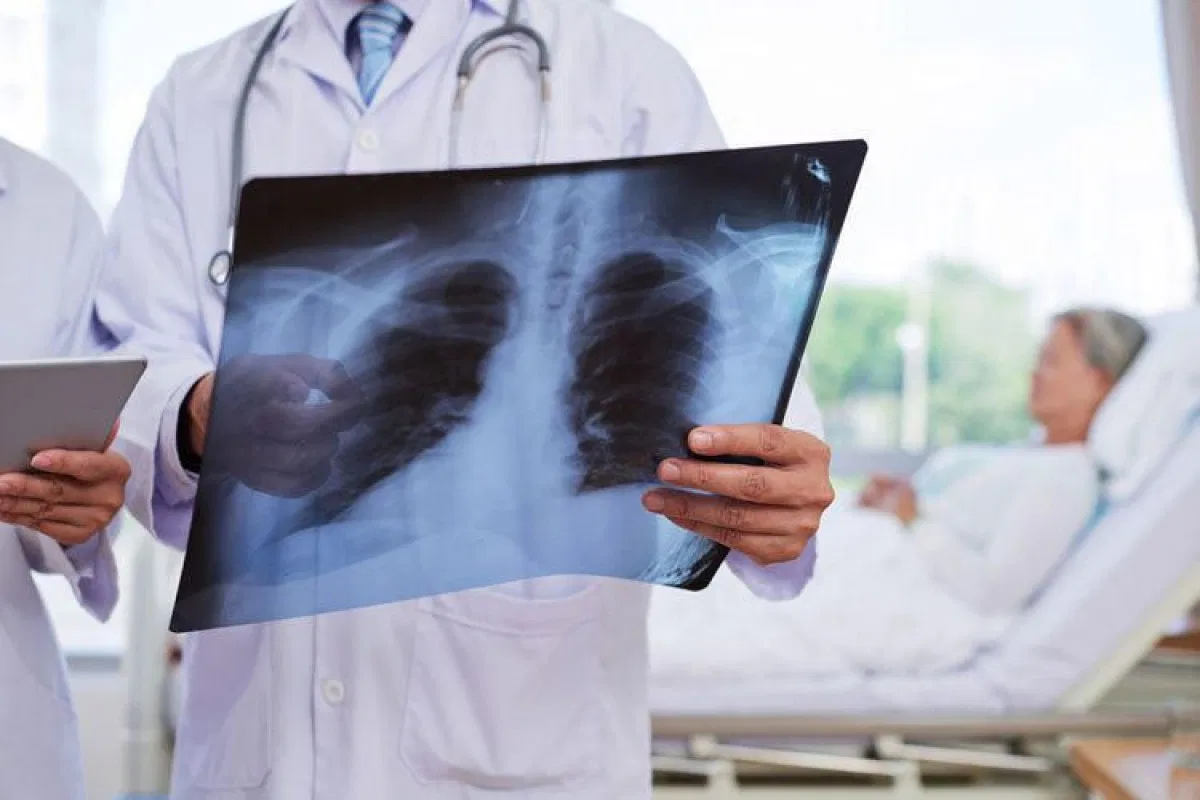
A chest X-ray can show pneumonia, but it may not prove the germ. Blood tests, sputum samples, viral testing, oxygen readings, and the patient’s story help narrow the cause. A doctor may also consider where the person got sick, recent hospital stays, vaccination history, and local outbreaks.
For example, a healthy adult with confirmed flu, dry cough, body aches, and mild oxygen changes may be managed differently from a nursing home resident with sudden fever, thick sputum, and confusion. The lungs may show infection in both cases, but the treatment plan will not be identical.
Clinical judgment matters here. Pneumonia is not a math problem where one symptom equals one cause. It is a pattern that has to be read in context, and that context can change within a day.
Recovery, Prevention, and the Mistakes People Keep Making
Recovery does not end when the fever breaks. The lungs can remain irritated long after the worst symptoms fade, and pushing too hard can stretch the healing process. Prevention also matters because avoiding pneumonia is easier than recovering from it.
Recovery is slower than most people expect
People often expect pneumonia recovery to feel like bouncing back from a cold. That expectation causes trouble. Even after the infection improves, fatigue and cough can linger because lung tissue needs time to settle. Returning to heavy workouts, long shifts, or poor sleep too soon can make the body feel stuck.
The CDC reports that immunizations and proper treatment, including antibiotics and antivirals when appropriate, can prevent many pneumonia deaths each year. That matters in the U.S., where older adults and people with chronic illness carry much of the risk.
A practical recovery plan looks boring, and that is the point: finish prescribed medicine, keep follow-up appointments, hydrate, sleep, avoid smoke, and ease back into activity. Boring care keeps people out of emergency rooms.
Vaccines and timing can lower the risk
Vaccines do not remove every pneumonia risk, but they reduce major threats. Flu shots, COVID-19 vaccines, RSV prevention for eligible groups, and pneumococcal vaccines for recommended adults and children all help lower the odds of severe lung infection.
The counterintuitive part is that pneumonia prevention often starts before the lungs are involved. Handwashing, staying home when contagious, treating flu early when eligible, and managing chronic conditions can all shape the outcome. A person with well-controlled diabetes or asthma often has more room to fight infection than someone whose baseline health is already strained.
The best takeaway is simple: viral pneumonia and bacterial cases may share a name, but they do not deserve the same response. Respect the symptoms, watch the breathing, and let a clinician decide when testing or treatment needs to change direction.
Conclusion
Pneumonia becomes less frightening when you stop treating it like a mystery and start treating it like a signal from the lungs. A cough with fever may be manageable at home for one person and risky for another, which is why age, breathing, oxygen level, and underlying health matter so much. The label alone is never enough.
The real skill is knowing when the pattern has shifted. A slow flu-like illness, a sudden chest-heavy crash, a fever that returns, or breathlessness that changes daily all deserve attention. Viral pneumonia may not call for antibiotics, while bacterial disease often does, and guessing between them wastes time the lungs may not have.
Use this knowledge as a decision aid, not a home diagnosis. If symptoms feel worse than a normal cold, if breathing changes, or if a vulnerable person is involved, contact a healthcare provider promptly. Strong lungs are protected by early judgment, not late panic.
Frequently Asked Questions
What are the first signs of viral pneumonia in adults?
Early signs often include dry cough, fever, fatigue, body aches, headache, and shortness of breath that builds over time. Many cases start like flu or COVID-19 before chest symptoms become more noticeable. Worsening breathing should prompt medical care.
How can doctors tell if pneumonia is bacterial or viral?
Doctors use symptoms, physical exam, oxygen levels, chest imaging, medical history, and sometimes lab tests. Viral testing, blood work, and sputum samples may help. No single symptom proves the cause, so clinicians look at the full pattern.
Does bacterial pneumonia always need antibiotics?
Bacterial pneumonia is usually treated with antibiotics because bacteria respond to those medicines. The exact drug depends on age, health history, severity, allergies, and local resistance patterns. Patients should finish the prescribed course unless a clinician changes it.
Can viral pneumonia turn into bacterial pneumonia?
Yes, a viral infection can weaken airway defenses and allow bacteria to cause a second infection. A person may seem to improve, then develop renewed fever, worse cough, thicker mucus, or stronger chest symptoms. That turn deserves medical review.
When should someone go to urgent care for pneumonia symptoms?
Seek urgent care for trouble breathing, chest pain, blue lips, confusion, dehydration, persistent high fever, or symptoms that worsen after brief improvement. Older adults, infants, and people with chronic health issues should get help earlier.
Is pneumonia contagious if it is bacterial?
The germs that cause bacterial pneumonia can spread, but not everyone exposed develops pneumonia. Some people may get milder respiratory illness instead. Covering coughs, washing hands, staying home when sick, and vaccination all reduce spread.
How long does recovery from pneumonia take?
Recovery can take days to weeks, depending on the cause, severity, age, and health status. Fever may improve before energy returns. Cough and fatigue often linger, so returning to normal activity should happen gradually.
What vaccines help prevent pneumonia in the United States?
Flu, COVID-19, pneumococcal, and RSV prevention options can lower the risk of serious lung infection for eligible groups. Recommendations depend on age, pregnancy status, health conditions, and vaccine history, so a clinician or pharmacist can guide timing.